At 8.20 am on Monday, 10 October 2022, a russian missile hit a playground in Shevchenko Park, a two-minute walk from my home in Kyiv. I was making coffee at the time, and I heard the massive explosion and the missile flying directly over my kitchen moments before it hit.
The sound of it flying overhead while I was in my home was terrifying, even more so than the sound of impact, and even more so than my many visits to the frontline. After several subsequent explosions, I left the apartment with my camera to try to understand what happened. By the time I reached the location of the first missile strike, it was already heavily cordoned off and controlled by military and police, international press and media crews were already in place on its perimeter, and somebody had taken away the dead and injured. So, this written testimony of the attack became the primary record of the event for me: an experience of terror but also one of frustration. Two days later, the local council filled the massive crater where the missile impacted. Much like the physical site, my memory of the missile strike was immediately filled in by the media, who presented ways for me to think and feel about it, which pre-empted my response, robbing me of the opportunity to process the event on my terms.
Trauma works on the body as well as on the mind, and apart from some minor disorientation and hypersensitivity, I felt fine for about three days following the strike. Then I wept. We drove to Dymer, part of Kyiv region, which russian soldiers had occupied in March. I was looking for some way to express my feelings about the missile strike that had hit so close to my home. I came across this destroyed pig farm and saw my alter-ego as a boy picking his way through the ruins and animal carcasses on his way back from school.

What strikes me first is the boy’s uniform.
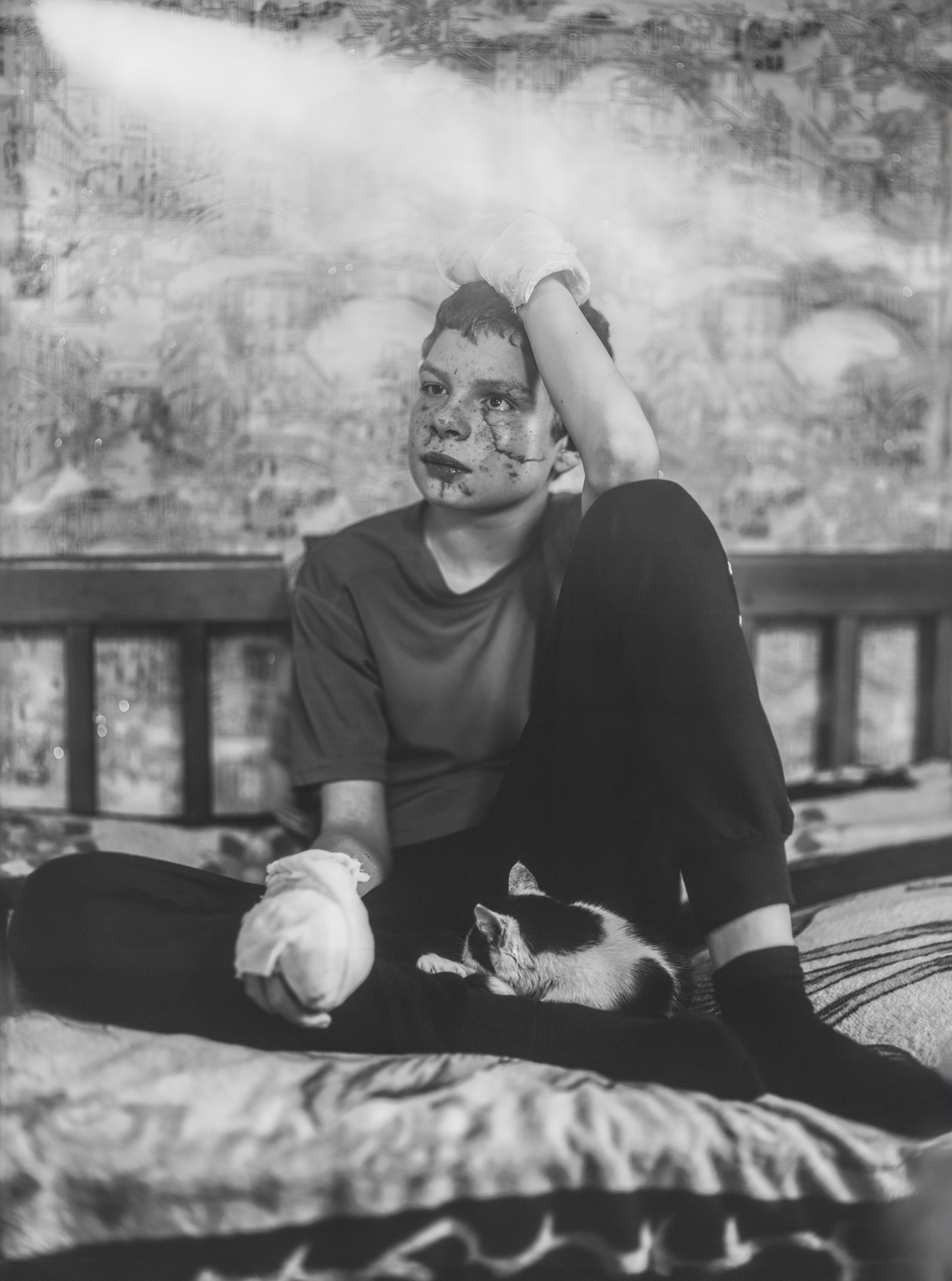
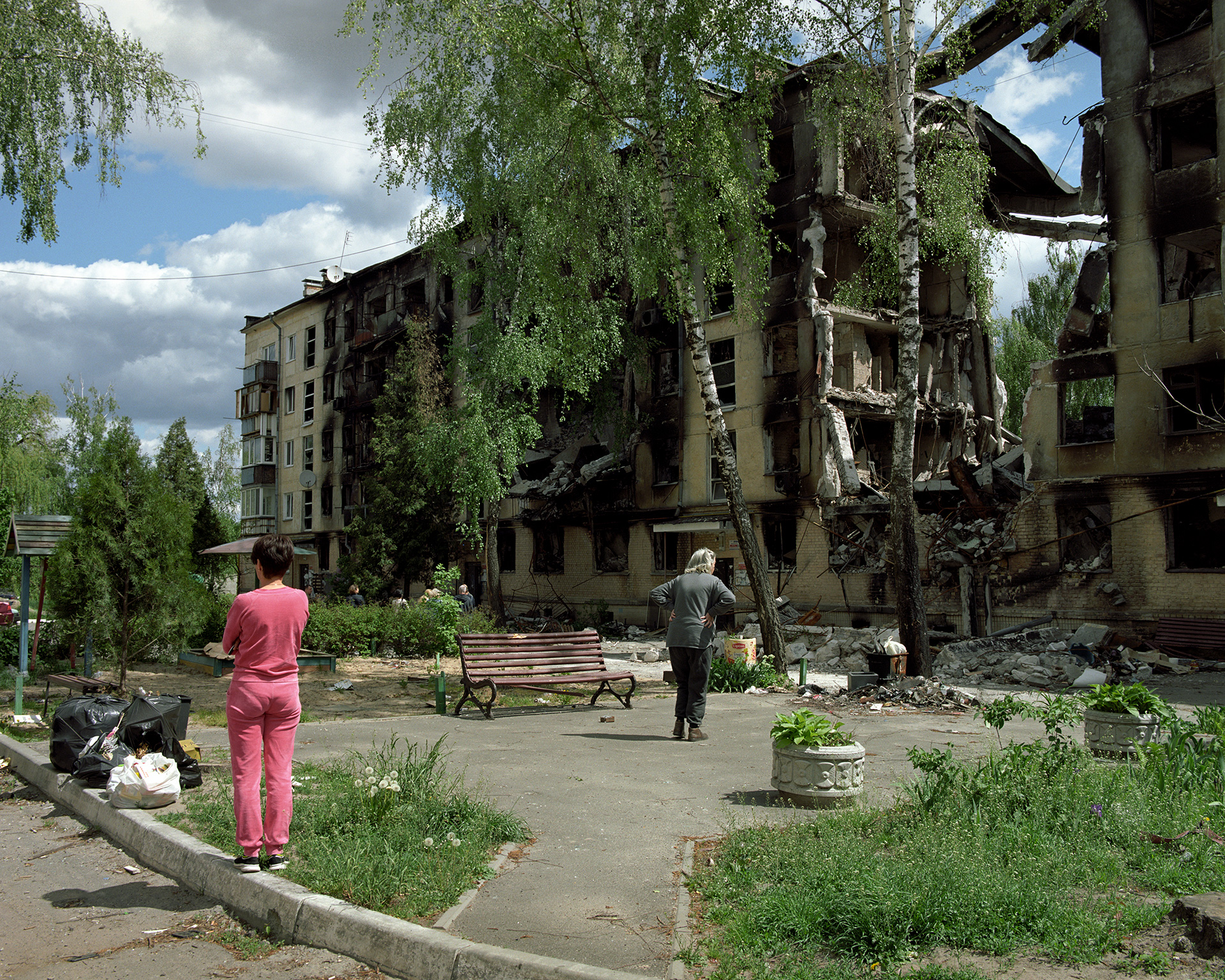
He looks ready for an ordinary school day, yet everything around him speaks of a childhood uprooted by war. Having visited Ukraine, I don’t see this photograph as representative of the Ukrainian people. I see what Russia has done to their country.
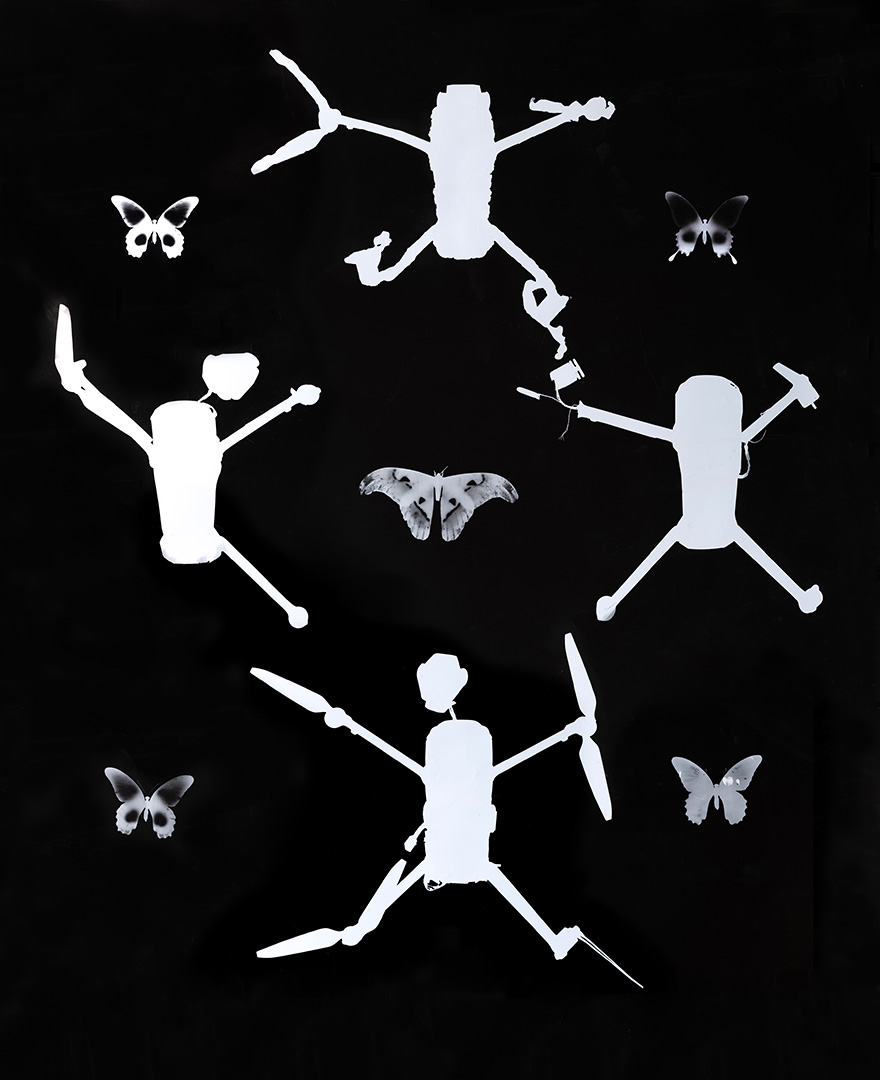
What I have witnessed is a country remarkably united. From those keeping businesses, schools and communities running, to those fighting on the front line, to those pushing the boundaries of technology and drone warfare, everyone is playing their part.
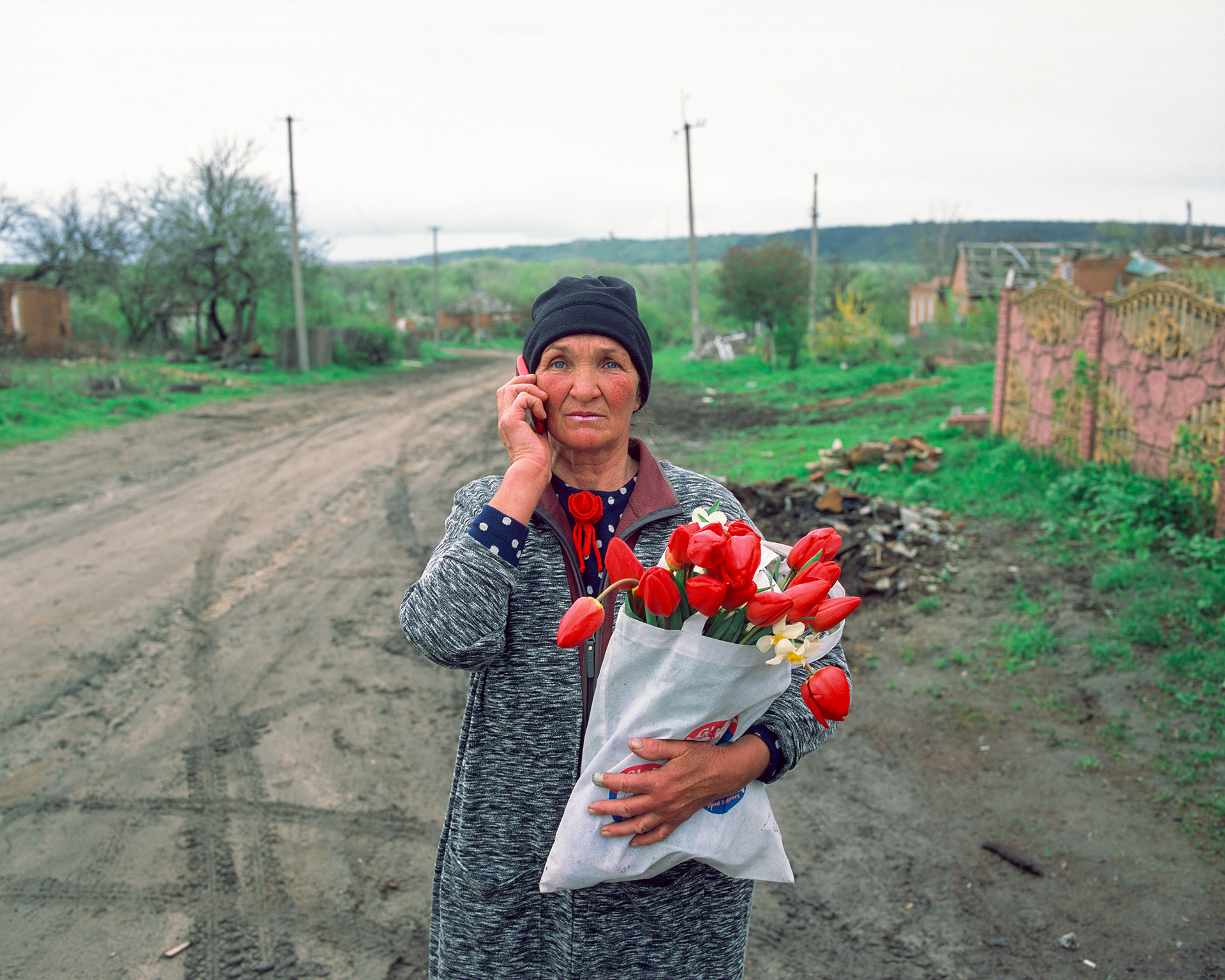
But what stays with me most is the humanity: the kindness, generosity, humour and warmth of the Ukrainian people. Under relentless physical and psychological warfare, they have held onto one another and a shared conviction to determine their own futures. The world has much to learn from our Ukrainian friends.
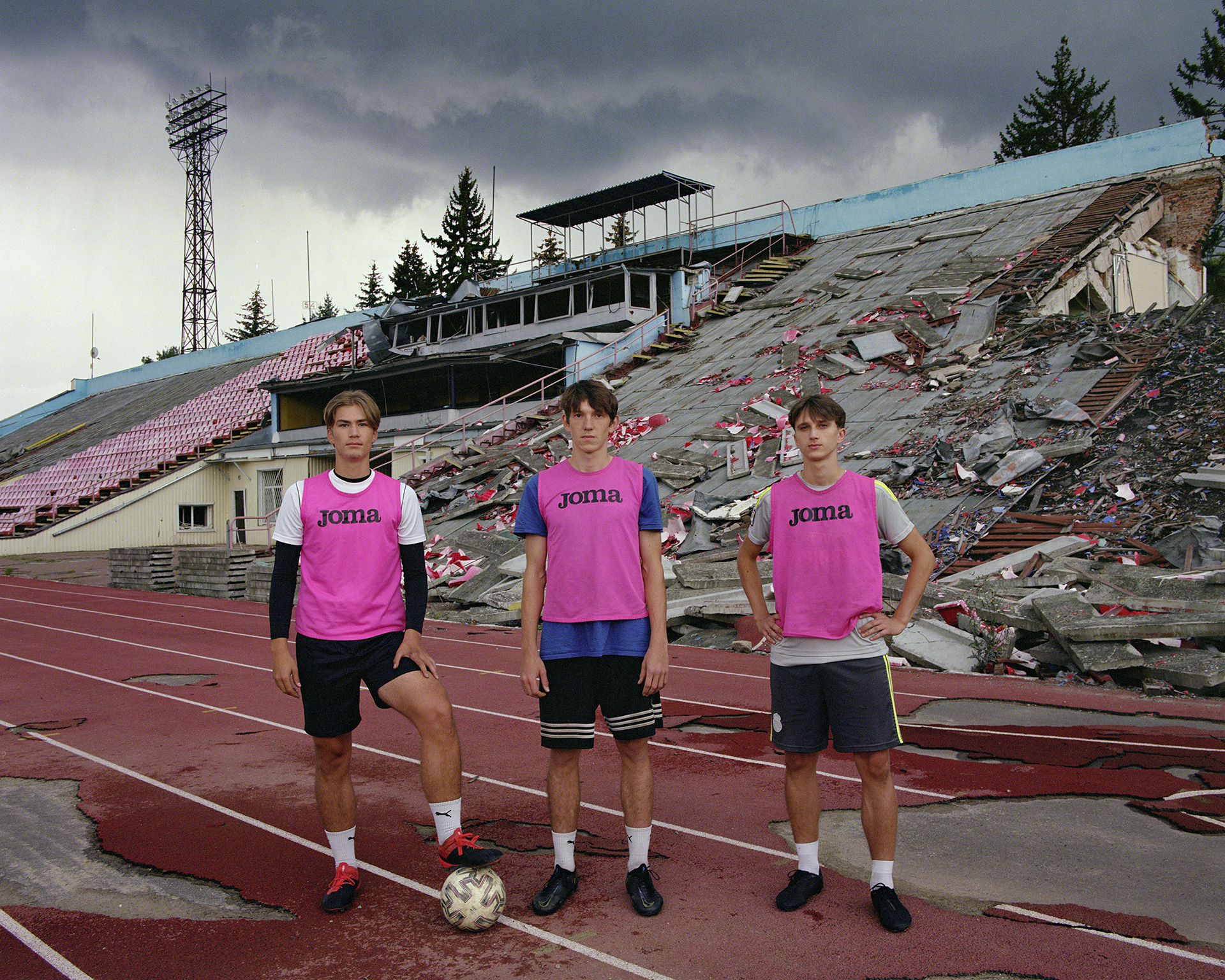
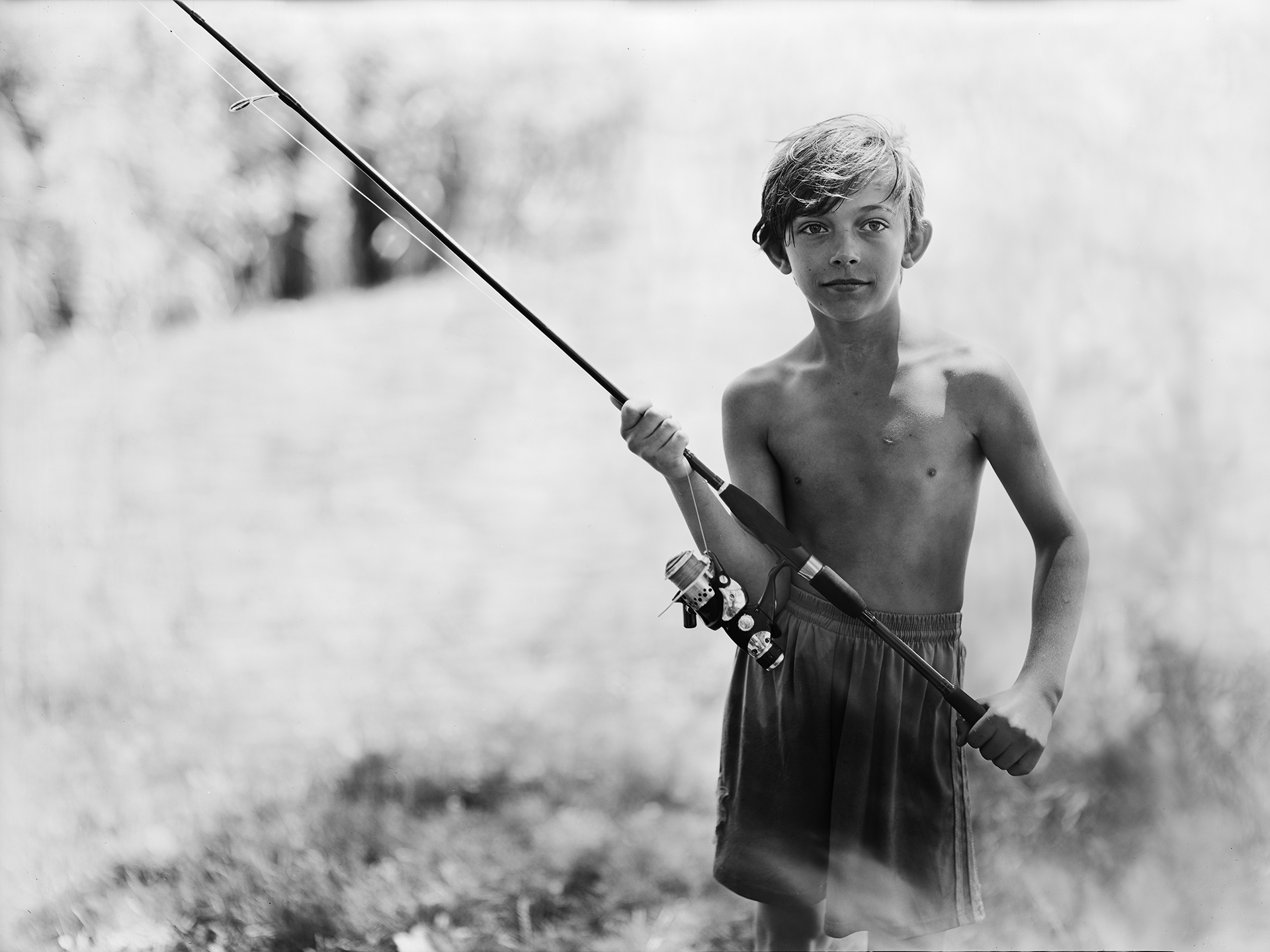
Yet resilience has limits. Attrition is real, and we cannot romanticise the ability of a people—especially children—to endure indefinitely.
This boy should not have to stand among ruins. If Ukraine is to survive and rebuild, admiration is not enough. The world must stand together and do more, now, so that his generation is remembered not for the war it endured, but for what it built afterwards.
Diary of a Volunteer is both an exhibition and a fundraising project.
Postcode Ukraine is a Kyiv-based charity founded in 2022 to support grassroots humanitarian organisations and volunteer groups working directly with communities affected by the war
*US supporters of Postcode Ukraine can make tax-deductible donations through our US partner, Shield of Freedom, a registered 501(c)(3) nonprofit supporting Ukraine. Donations made through this campaign are received and acknowledged by Shield of Freedom and, through its grant programme, support Postcode Ukraine's humanitarian aid initiatives in Ukraine.
Since 2022, Postcode Ukraine has directly funded more than $500,000 of humanitarian aid projects across Ukraine
Through photography, film and humanitarian action, Postcode Ukraine works to ensure that the experiences of ordinary Ukrainians are seen, remembered and supported.